
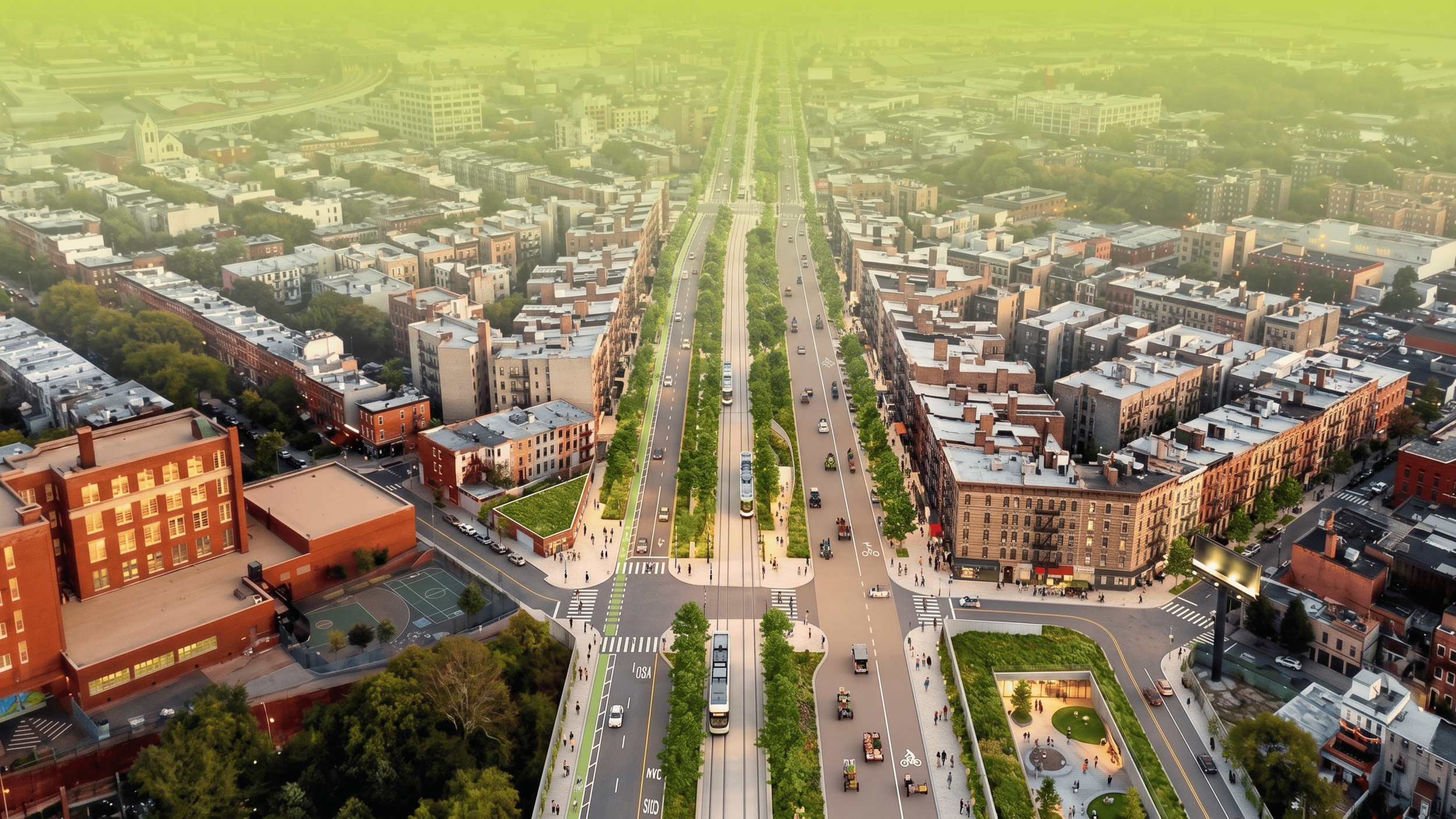
What if we stopped (re)building highways
and started building a city?
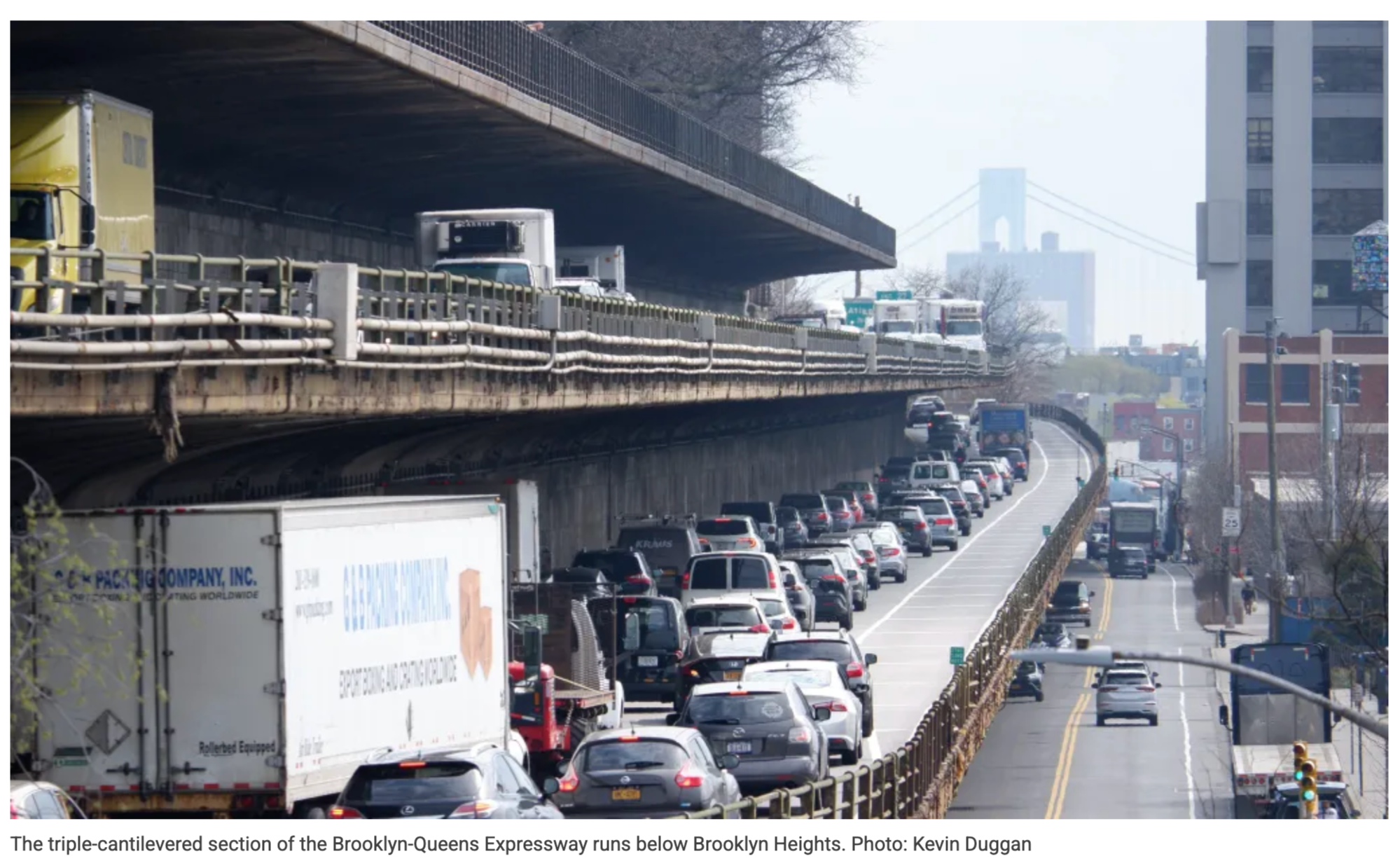
Off-Ramp's Statement on the latest plan to rehabilitate bqe centralOn Monday, the Mamdani administration announced a $4 billion, decade-long plan to rehabilitate BQE Central: the city-owned stretch of the Brooklyn-Queens Expressway including the triple cantilever. We appreciate that Mayor Mamdani has not shied away from taking action on tough issues - affordable housing, fast public transit, low-cost food, universal childcare, more cooling trees, more public space, fewer cars, more bike lanes. But the decision to preserve BQE Central through 2080 works against all of it.
NYC’s highways are relics of the last century. Planners, politicians, and communities now broadly agree that they were a terrible mistake to build. To rebuild them today would be to make the same mistake twice.
The administration and DOT call this the end of “kicking the can down the road,” while insisting that repairing the cantilever leaves open a future corridor-wide plan for removal. To our ears, this sounds more like a can-kick on a decision to do something bolder. Highways fail in sections and the cantilever is far from the only one in trouble. NYSDOT has classified hundreds of spans as being in “poor” condition up and down the corridor.
The cantilever rehab is simply the first of a string of enormous capital projects taxpayers will have to fund in coming years. Each dollar spent shoring up one section of the highway drains funds from our real priorities and makes abandoning the next one harder.
Off-Ramp has done the math to show that removing the BQE, starting with BQE Central, and bringing traffic–and transit–to grade, will save billions of taxpayer dollars and set the precedent for a 21st century approach to our highways. We have every confidence that this Mayor and DOT Commissioner – who seem to get it – will agree if they take the time
NYC’s outdated and crumbling highways are wrong for our city today.
Off-Ramp NYC advocates removing urban highways to rebuild public transit, reclaim public land, and protect public health and public funds.
Latest News & Stories
New York’s highways are failing
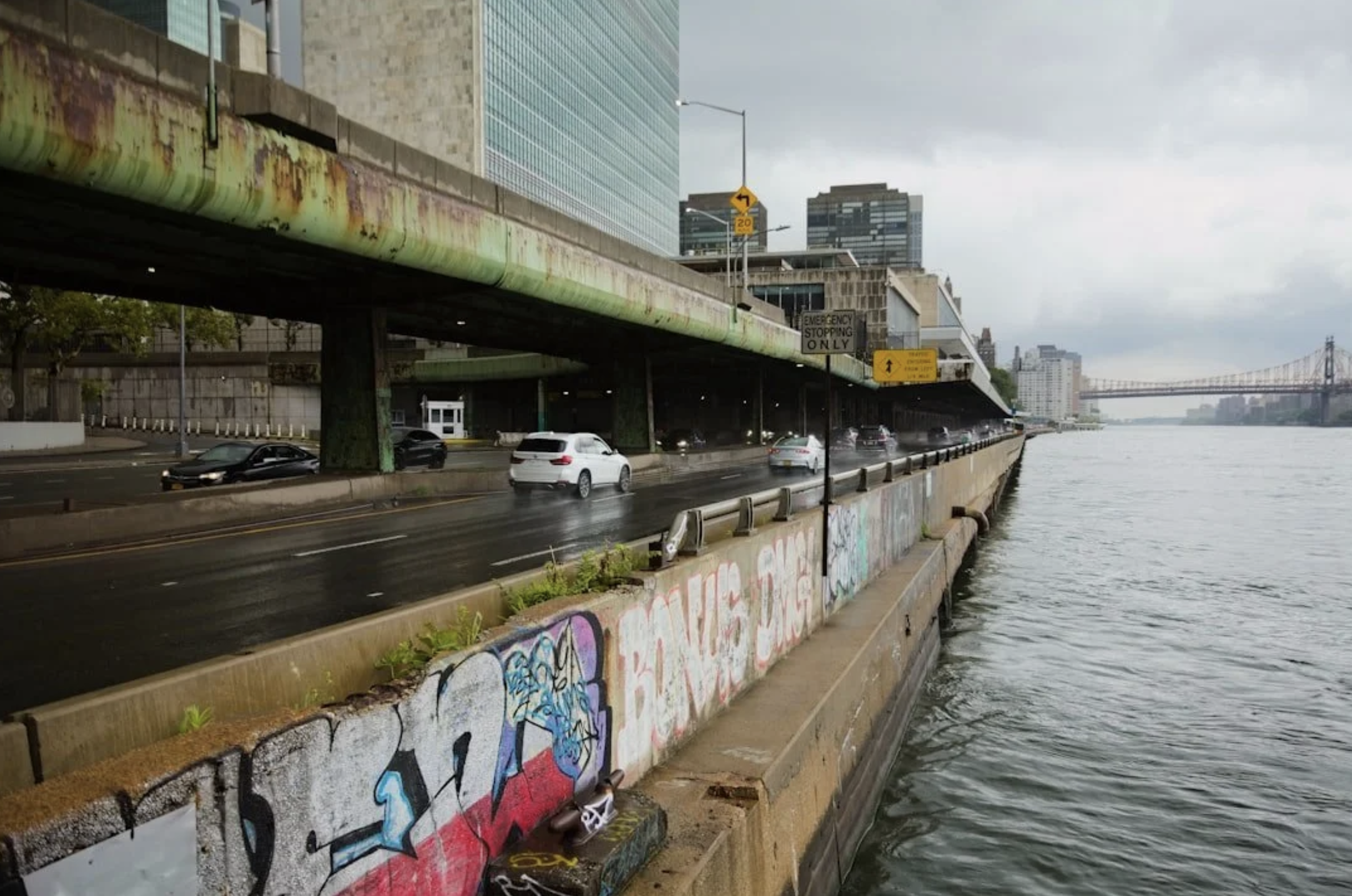
The BQE is crumbling. The FDR Drive floods regularly. The Cross-Bronx Expressway, one of America’s most polluted corridors, needs massive structural work.
But we shouldn’t keep rehabilitating them
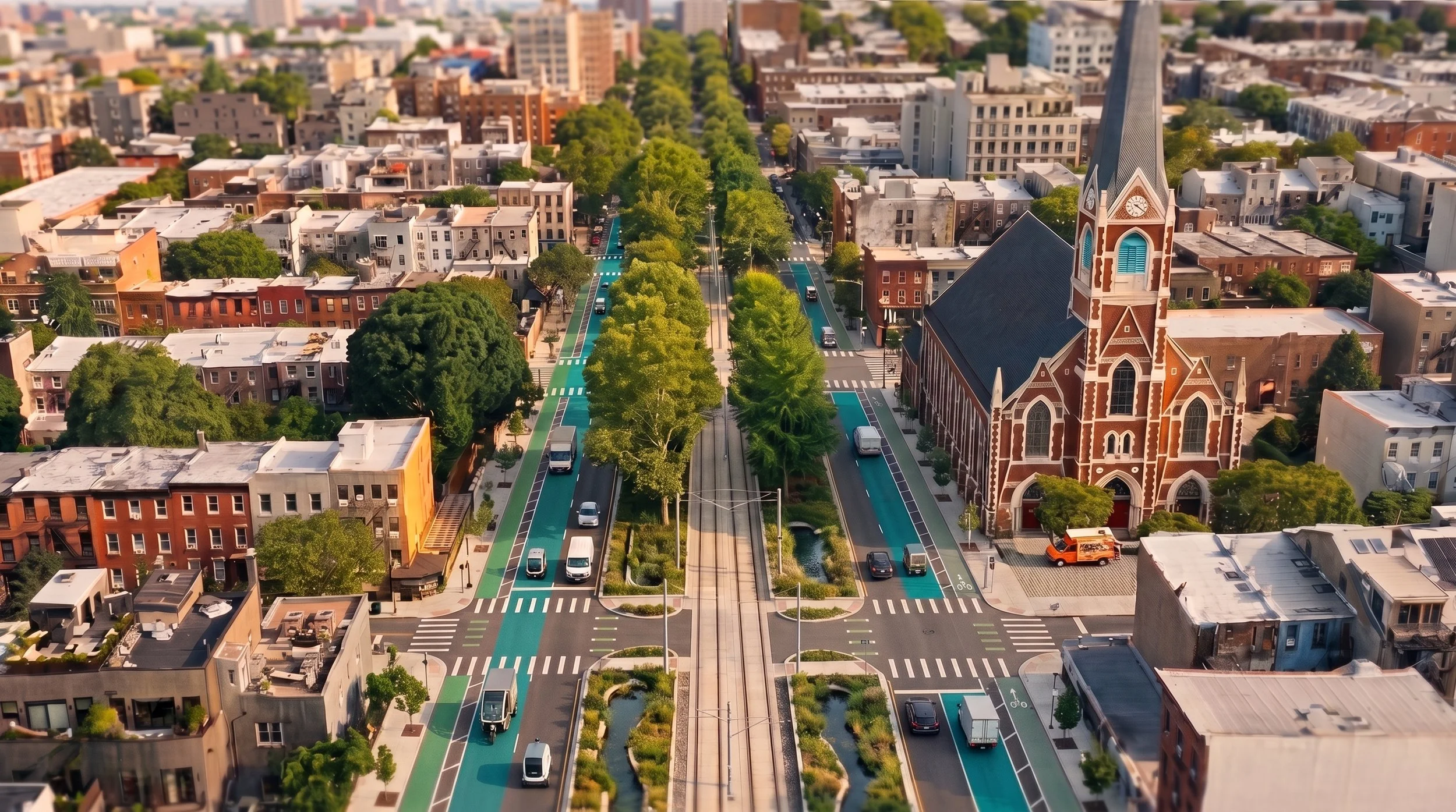
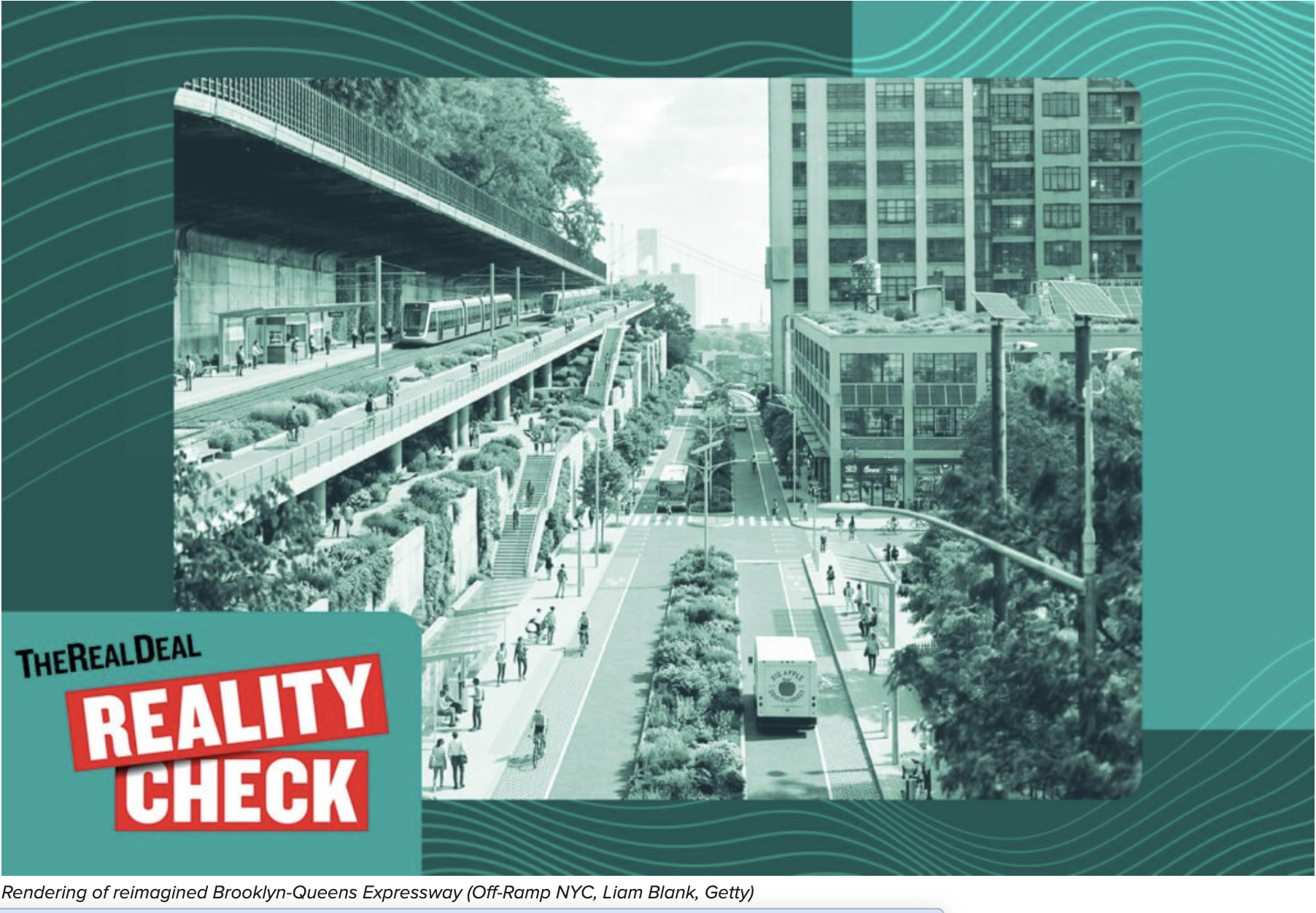
Instead of rebuilding or rehabilitating failing mid‑century highways that lock in congestion, pollution, and divided neighborhoods, we should remove them and invest the tens of billions saved in more equitable, sustainable, affordable alternatives.
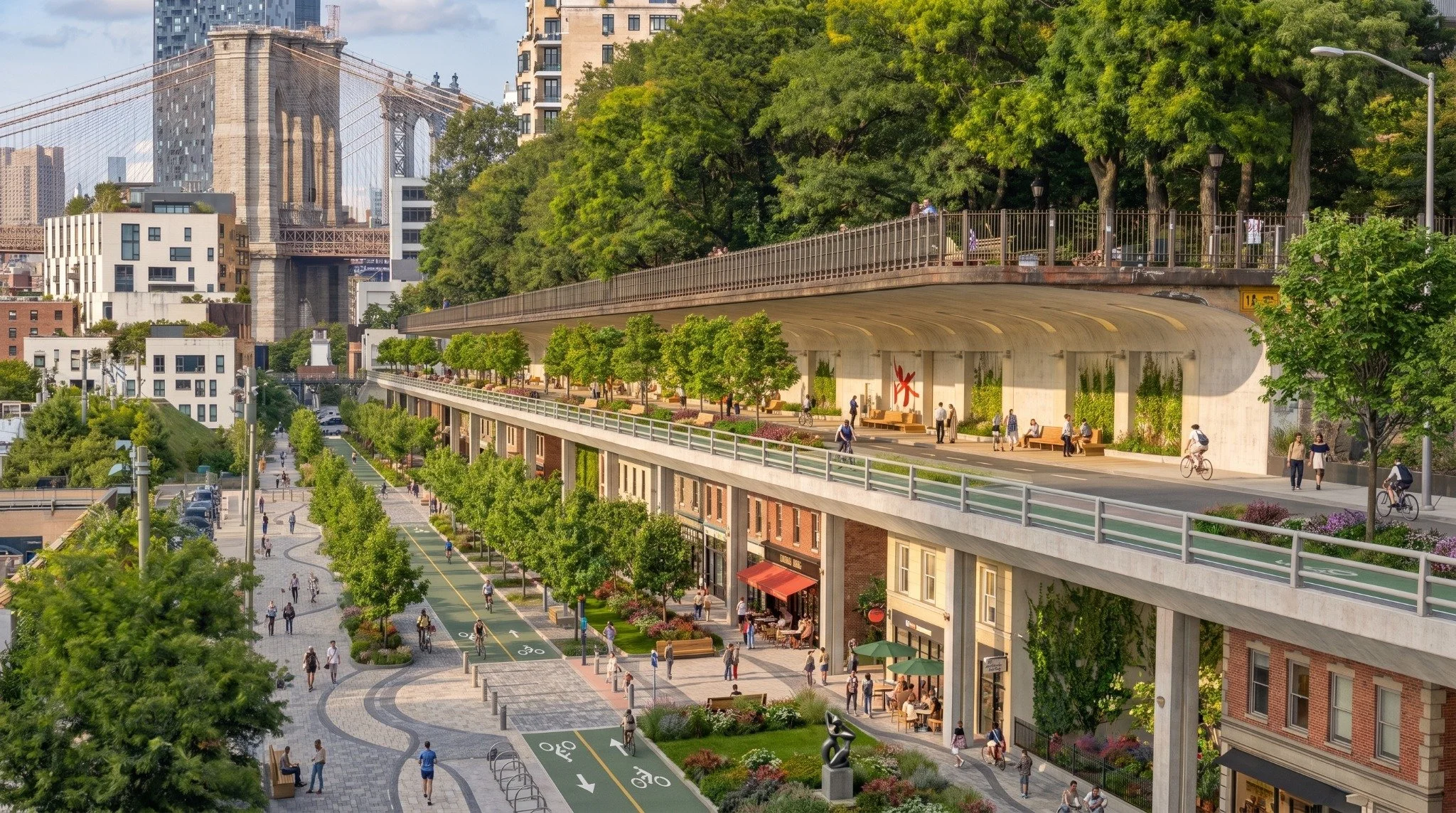
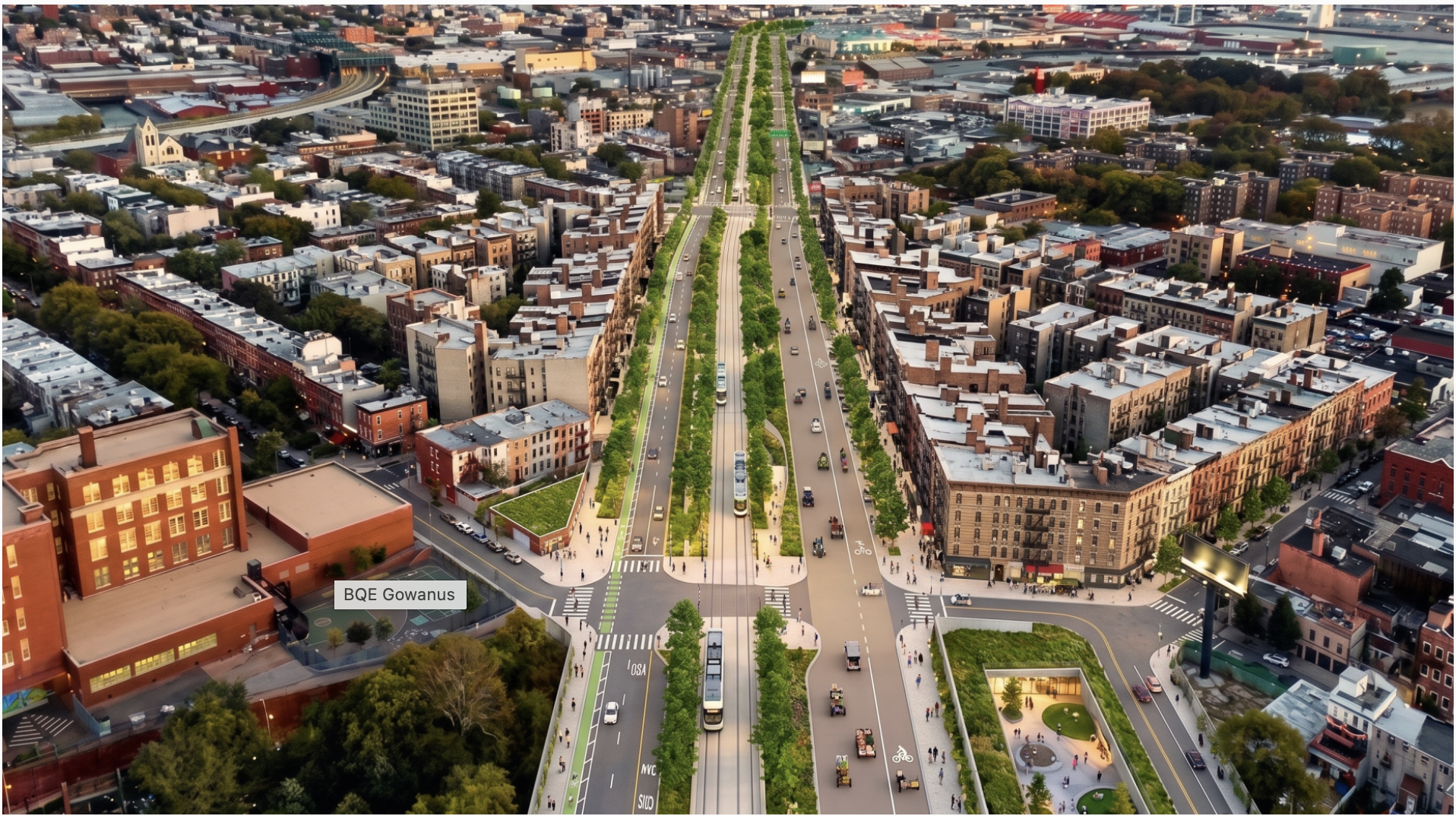
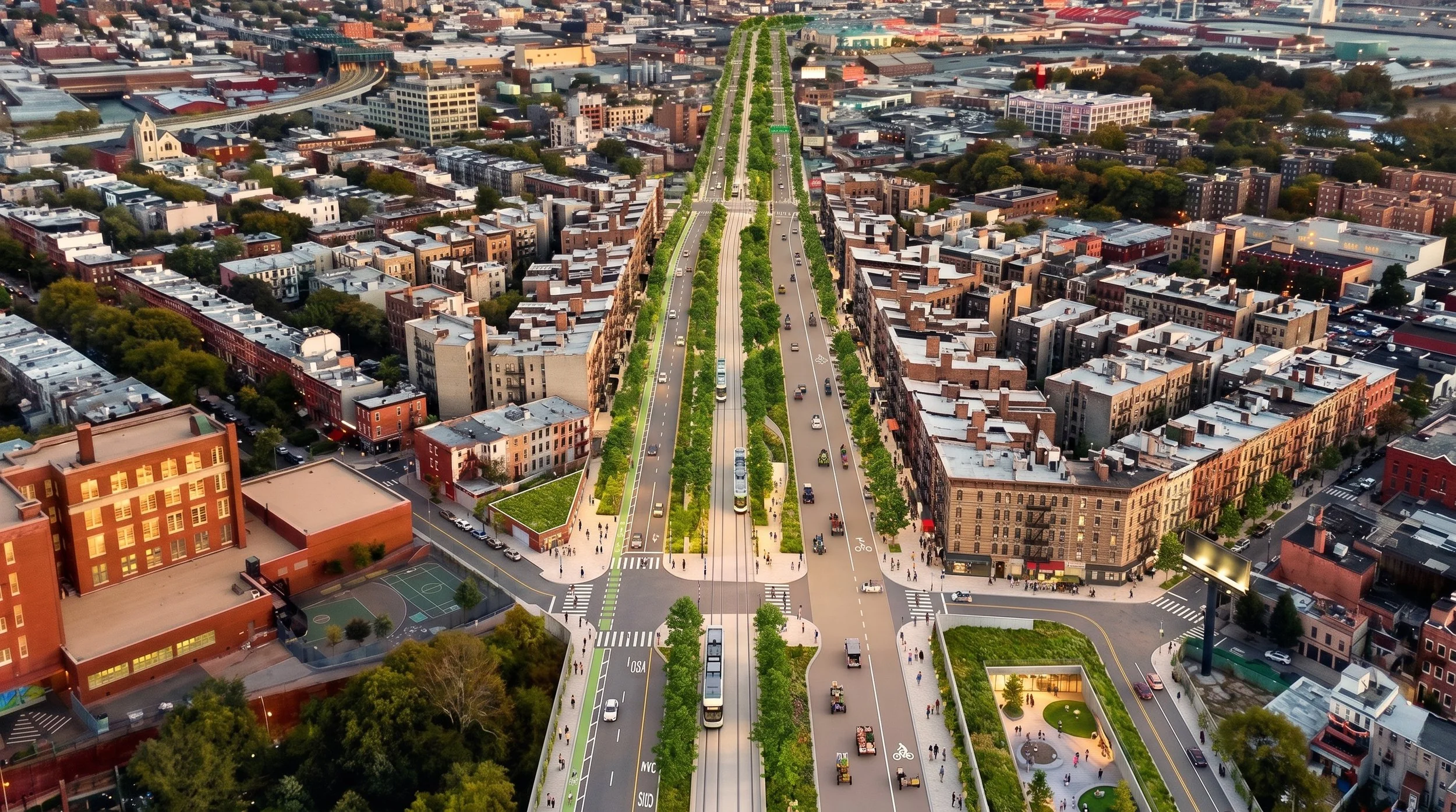
For far less than it would cost to rehabilitate, we can replace the BQE with tree-lined boulevards, new transit, and bike lanes for people and cargo.
Spotlight on the BQE
〰️
Spotlight on the BQE 〰️
The BQE is crumbling
the BQE has outlived its lifespan by twenty years, and the triple cantilever under the Brooklyn Heights Promenade is expected to fail by 2029. But the cantilever is not the only portion that needs rehabilitation. Major viaduct sections are rusting. The trenches flood with each storm. Rehabilitating the entire BQE as it crumbles would be a ~$25 billion, rolling megaproject, often widening the same roads, and locking the city into another century of pollution, congestion, and divided neighborhoods.
But we shouldn’t preserve it
Decommissioning and dismantling the BQE instead would deliver over 100 acres for new housing and parks, more than 15 miles of bus rapid transit or light rail, and hundreds of millions in new annual city revenue at half of the rebuild cost.
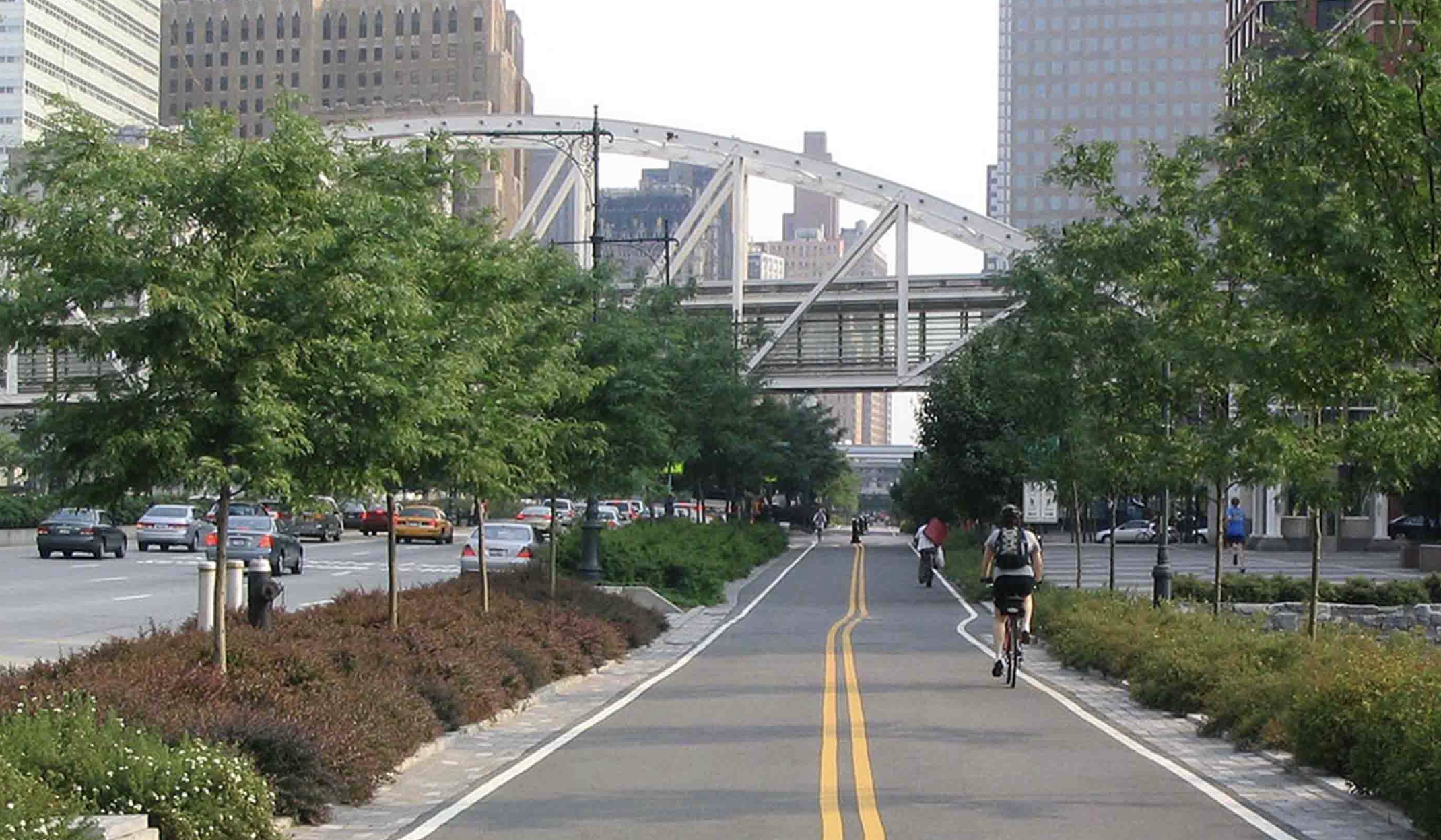
Cities around the world are removing their highways
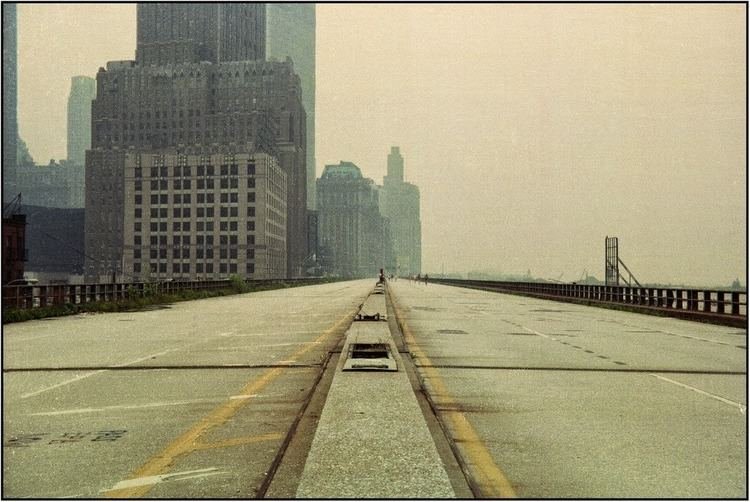
Including here in New York, on the West Side Highway.
After a section of the elevated West Side Highway collapsed in 1973, New York replaced it with an at-grade boulevard (West Street / Route 9A) and the linear Hudson River Park. The result is a thriving waterfront, miles of new public space, and a Manhattan that functions better without an elevated highway cutting it off from the river.
Every city that has removed a highway—San Francisco, Seoul, Portland, Paris, Milwaukee, Syracuse, Rochester, Utrecht—has seen traffic and pollution fall, revenues rise, costs drop, neighborhoods heal, and economic activity flourish.
None has asked for its highway back.
Interested in learning more?
Please connect with us to get involved.
Join our mailing list for event invites, news, campaigns, and updates on urban highway removal across NYC—stay in the loop and help shape the city’s future